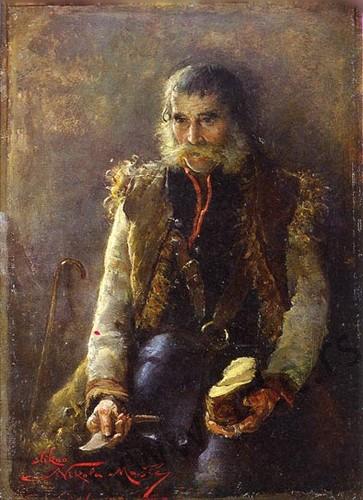
Seljanke- Nikola Masic

Notable People

Notable cultural and artistic figures who were born in Podum or of Podum descent

We present individuals whose contributions to culture and the arts resonate far beyond Podum. Born here or connected through family heritage, their creativity and accomplishments reflect the village’s enduring influence and celebrate its rich cultural legacy.

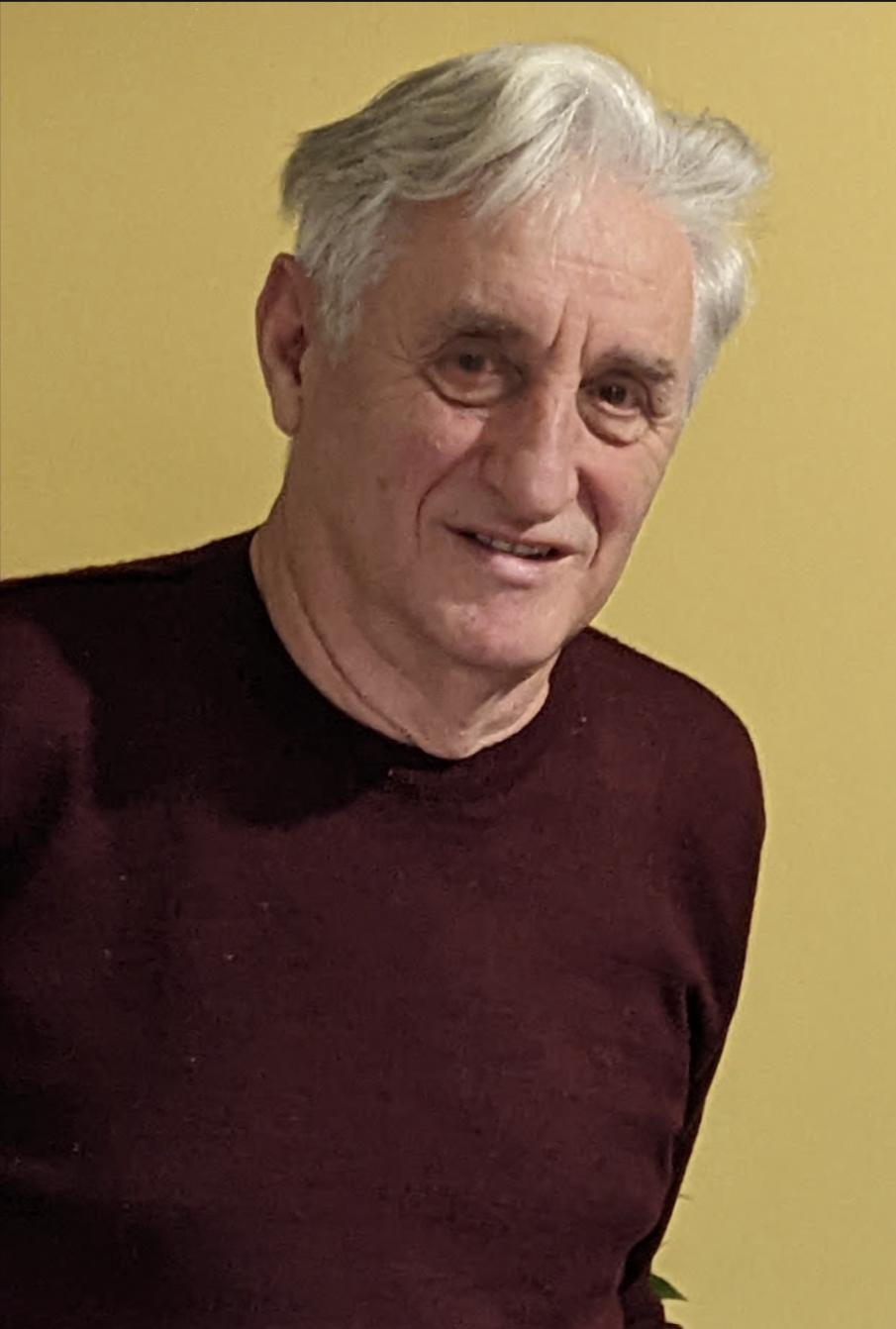
Stevo Diklic

Stevo Diklić (born 1952 in Podum) is a distinguished art educator, painter, cartoonist, illustrator and journalist, recognized for more than four decades of influential work in visual arts education. After graduating in Fine Arts from the Pedagogical Academy in Rijeka, he built an early reputation through published cartoons and exhibitions across Lika.

His tenure in Kuterevo from 1974 to 1991 produced historic results, including three consecutive republic level victories by his students, the first such achievement in the school’s history, while his later work in Vrhovine, Doljani and especially in Titel, Serbia, solidified his position as one of the region’s most accomplished art educators.

In Titel he became widely known for raising the school’s artistic standards, renewing its visual identity and mentoring students who went on to win hundreds of national and international awards across Europe, Russia and the Balkans. His own recognitions include distinctions from the Municipality of Titel, the Government of Vojvodina, the International Festival of Children’s Humor, the Cyrillic Literacy Review, cultural institutions in Saint Petersburg and various national art and education organizations.

Beyond teaching, he contributed as a writer for Dnevnik, Ravnica Info, Fog Developer and Radio Titel, and exhibited in prominent art salons in Serbia and abroad, including Belgrade, Sombor, Kragujevac, Subotica and Saint Petersburg. He is currently preparing a collection of his published texts.

His roots in Podum, Lika, remain a central part of his identity, raised in the cultural tradition of his native village, he went on to build a distinguished teaching and artistic career in Titel, bridging his birthplace with his lifelong dedication to art and education.
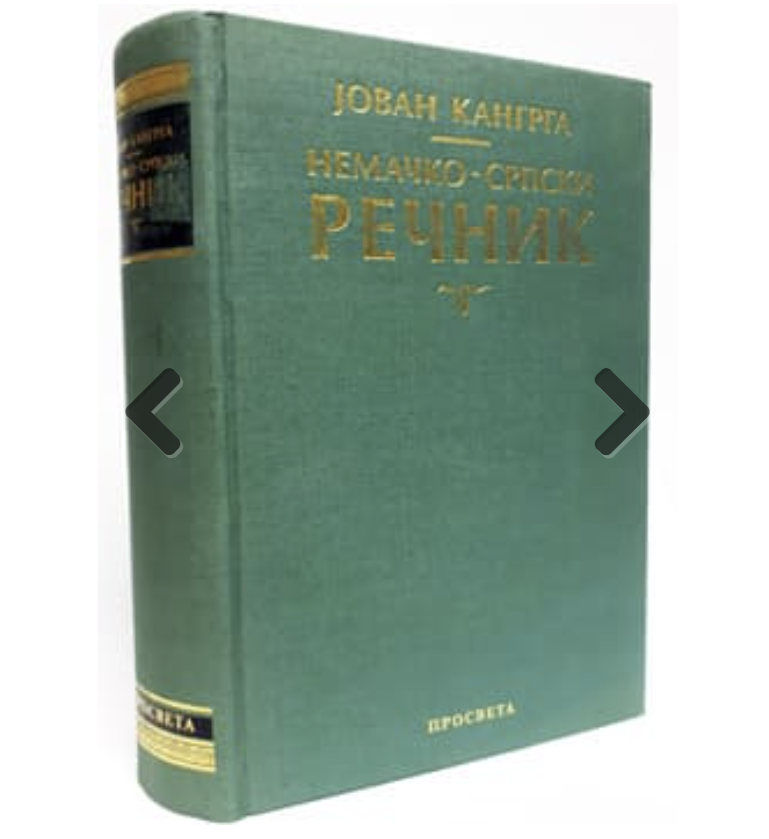
Jovan Kangrga

Jovan Kangrga (June 23, 1871, Podum near Otočac – 1936) was a professor of German, translator, and one of the leading lexicographers of the interwar period. He completed primary school in Otočac, attended gymnasium in Belgrade, Kragujevac, and Niš, and later studied philology at the Great School / University of Belgrade. He taught German at gymnasiums in Veliko Gradište, Požarevac, Kruševac, and Belgrade. His dedication to pedagogy and linguistic precision made him one of the foremost teachers and translators of his time. From 1921 until his retirement in 1932, he served as an inspector of education at the Ministry of Education, where he influenced the development of educational policy and the teaching of foreign languages.

His most important work is the “German–Serbian Dictionary”, renowned for its richness of vocabulary and expressions, precise phonetic notation, and systematic treatment of grammar. This dictionary became an indispensable tool for students, teachers, translators, and scholars, setting the benchmark for bilingual lexicography in the region. In addition, Kangrga co-authored the Serbo-Croatian–German Dictionary (1928, with Svetomir Ristić), as well as the German Reader and German Grammar (with Miloš Trivunac), further demonstrating the breadth and significance of his contributions. Kangrga’s legacy in German studies and lexicography remains enduring. His works shaped generations of learners and translators and forged a lasting cultural and educational link between this region and the German-speaking world.


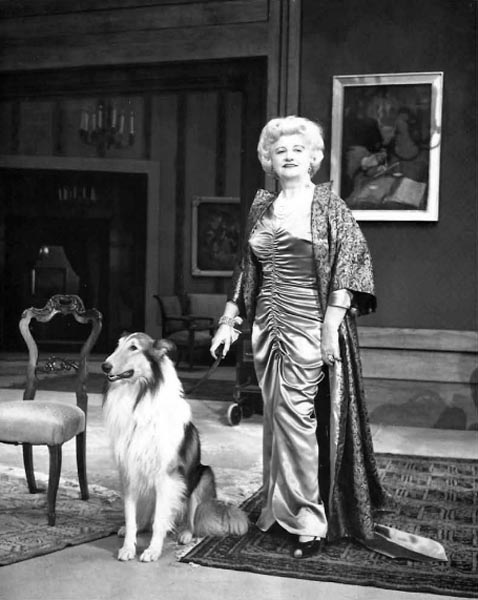
Leposava Bela Krleza

Bela Krleža, born Leposava Kangrga (26 October 1896, Senj – 23 April 1981, Zagreb), originated from Podum in Lika and is counted among the most renowned Croatian stage actresses of the 20th century. After completing her education in Zagreb, she worked as a teacher at the University Library, and in 1929 she made her debut at the Croatian National Theatre in Zagreb. She became particularly famous for her role as Baroness Castelli in Krleža’s Gospoda Glembajevi, which defined her career, and also performed in works by Nušić, Držić, Ibsen, Tolstoy, Shaw, Williams, Dürrenmatt, and others. She remained at HNK until her retirement in 1966 and was awarded the Vladimir Nazor Lifetime Achievement Award in 1972.

Alongside her artistic career, Bela was the wife and lifelong companion of writer Miroslav Krleža; their Zagreb home became an important cultural gathering place, now a memorial museum.

Bela’s family roots trace back to Podum in Lika. Her father, Mile Kangrga (1870–1952), worked as a postal clerk, while his brother Kosta was a successful merchant. Her maternal grandfather, Dane Vuksan, was a wealthy landowner in Otočac and ran a warehouse for monopoly goods in the region. Bela mentions in correspondence a pupil from Otočac, Anka Kangrga, whose walk to school took an hour and a half. Part of her family lived in Zagreb, and her uncle Janko Vuksan was godfather on her baptismal record. Gena (Georgina) Vuksan (1886–1972), a teacher and close family member, remained connected to Bela throughout her life. These roots from Podum remained an enduring part of her identity, reminding us that one of the key figures of Croatian culture emerged from this small village.


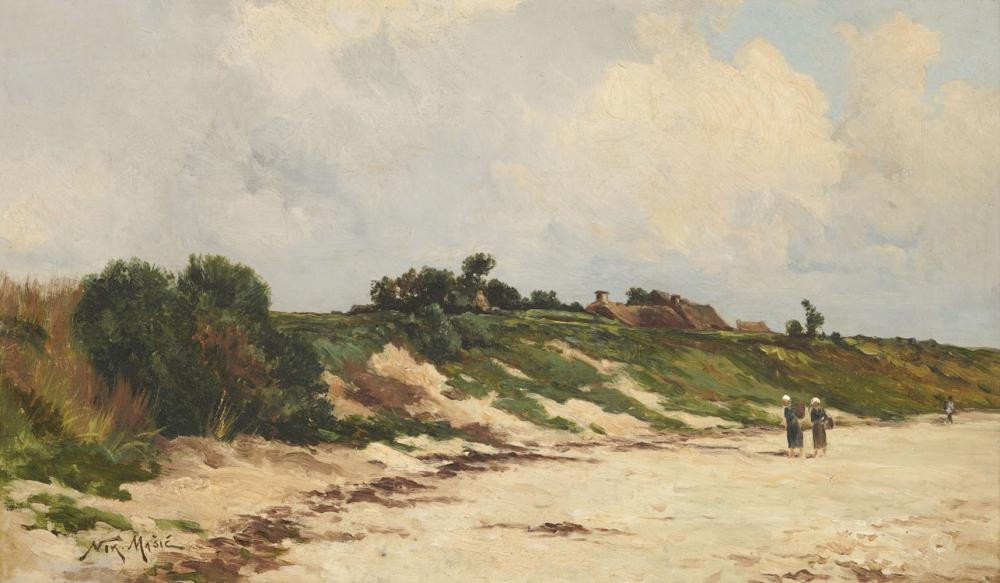
Nikola Mašić

Nikola Mašić (born November 28, 1852, in Otočac, died June 4, 1902, in Zagreb) was a distinguished Croatian painter of Academic Realism and a respected art educator, whose family originated from Podum in Lika. He studied painting in Vienna, Munich, and Paris. His time in Munich, particularly in Alexander Wagner’s Komponierenklasse, shaped his mastery of large-scale figurative compositions. Due to declining eyesight, he returned to Zagreb in 1884, where he became a drawing instructor at the School of Crafts. In 1894, he was appointed director of the prestigious Strossmayer Gallery, a position he held until his death.

His painting style, known as “beautified realism,” includes landscapes, rural scenes, and studies infused with atmosphere, shaped by his travels in Posavina and southern Italy, with an emphasis on light and mood. Mašić was made an honorary member of the Serbian Royal Academy in 1892. His contributions to art education and painting left a lasting legacy in the development of modern Croatian art.

Mašić’s family origins in Podum, Lika, remained a quiet but powerful presence in his art: the region’s austere plateaus, village rhythms, and folk customs surface in his sensitive portrayals of rural life and his nuanced handling of light and atmosphere. Even after formal training in Vienna, Munich, and Paris, he repeatedly returned,in subject, mood, and feeling,to motifs that recall Lika’s landscape and vernacular people, fusing local memory with academic technique. That rootedness helped him dignify regional scenes within a broader European vocabulary, making the visual character of places like Podum an integral strand in the story of modern Croatian painting.